

Ondine Biomedical’s Nasal Photodisinfection reduced surgical site infections by 40% in Phase 3 pivotal study
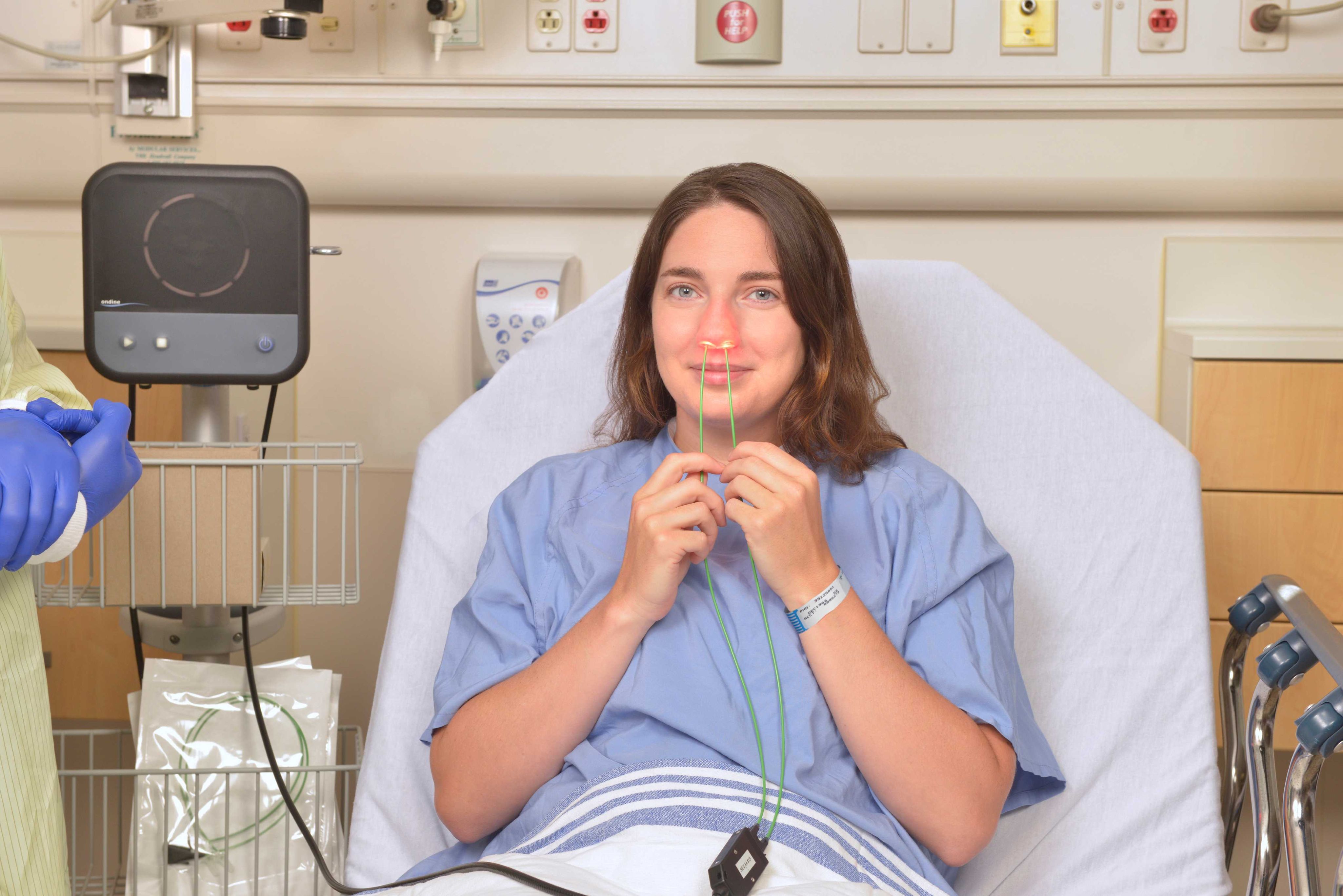
Ondine Biomedical's nasal photodisinfection technology for the prevention of surgical site infections
Topline results show Ondine Biomedical’s Nasal Photodisinfection reduced surgical site infections by 40% in a 5,188-patient North American Phase 3 pivotal study
The trial met its pre-specified primary endpoint.
Nasal photodisinfection was associated with a 40% relative reduction in 30-day surgical site infections compared with standard of care alone in the preliminary analysis.
No treatment-related serious safety concerns were identified in the topline review.
5,188 patients were enrolled across 18 hospitals in the United States and Canada.
AIM- listed Ondine Biomedical plans to share detailed results with FDA and engage with the Agency through the pre-New Drug Application process before submitting a formal marketing application.
Ondine Biomedical, a pioneer in the development of light-activated antimicrobials, today reported that the preliminary analysis of its North American LANTERN pivotal Phase 3 clinical trial. The 5,188 study evaluated its nasal photodisinfection technology for the prevention of surgical site infections ("SSIs") demonstrated a 40% relative reduction in 30-day SSIs and met the trial's pre-specified Bayesian criterion for treatment benefit.
The LANTERN safety profile observed in LANTERN was consistent with more than a decade of prior clinical experience with nasal photodisinfection, (also known as antimicrobial photodynamic therapy or “aPDT”); to date, more than 250,000 patient treatments were performed outside the United States in hospitals across Canada and in the UK, Mexico, Australia and the EU. No treatment-related serious safety concerns were identified in the topline review. These findings remain subject to completion of detailed efficacy, safety, subgroup and other analyses.
Surgical site infections remain one of the most serious complications of surgery, causing substantial patient morbidity, hospital readmissions, prolonged hospital stays and deaths. U.S. data have estimated that patients who develop an SSI face a two- to 11-fold increased risk of death compared with surgical patients without an infection. The CDC reports that an SSI can extend a patient's hospital stay by approximately 9.7 days and increase hospitalisation costs by more than $20,000 each, adding over $10 billion annually to USA healthcare costs. In public healthcare systems, SSIs add to surgical wait lists as each SSI displaces 2-3 new surgeries adding to staff and budgetary burdens. The total addressable US market for surgical site and ICU infection prevention exceeds $3 billion annually.
The 5,188-patient cluster-randomized, standard-of-care-controlled superiority study involved 18 hospitals in Canada and the USA. The US arm had 14 hospitals, and recruited the majority of the patients, through HCA Healthcare Research Institute. The Canadian arm of this RCT study recruited in four leading Canadian tertiary and academic medical centres each representing major referral hubs for trauma, surgical, and critical care. The Canadian sites included Foothills Medical Centre and Rockyview General Hospital in Calgary, University of Alberta Hospital in Edmonton, and Royal Columbian Hospital in New Westminster, BC.
Ondine plans to request a pre-New Drug Application ("pre-NDA") meeting with the U.S. Food and Drug Administration ("FDA") to discuss the detailed LANTERN results and the Company's planned future regulatory submissions. Results will be submitted for presentation at a major scientific meeting and for publication in one or more peer-reviewed medical journals.
Carolyn Cross, Chief Executive Officer of Ondine Biomedical, commented:
"The LANTERN results represent an important milestone for Ondine and for our development programme in surgical site infection prevention. Surgical site infections remain a major cause of avoidable complications following surgery, while increasing antibiotic resistance and poor patient home compliance makes prevention using rapid, broad spectrum, non-antibiotic approaches increasingly important.
"We are deeply grateful to the patients, investigators, clinical research teams and healthcare professionals at HCA Healthcare Research Institute and at four Canadian hospitals, whose joint participation made this large study possible. Our prior work in Canada and other countries over more than a decade has supported the potential benefits of nasal photodisinfection for patients and healthcare providers, and we look forward to engaging with the FDA through the regulatory process to bring this technology into the United States."
ENDS
Media enquiries:
Simon Vane Percy
simon@vanepercy.com
+44 (0) 7710005910
About the LANTERN Phase 3 trial:
LANTERN (Light-Activated Antimicrobial Therapy to Prevent Surgical Site Infections) is a multicentre, cluster-randomised, crossover, controlled Phase 3 superiority study evaluating nasal photodisinfection in addition to standard of care, versus standard of care alone for the prevention of surgical-site infections. The trial enrolled 5,188 patients undergoing major surgical procedures at 18 hospitals. The primary efficacy endpoint was the relative incidence of surgical site infection within 30 days of surgery, assessed and analysed according to prespecified criteria. Further detailed analyses of the primary endpoint as well as key secondary and exploratory endpoints are ongoing and will be reported in due course.
About Ondine's nasal photodisinfection technology:
Ondine's nasal photodisinfection technology is a light-activated antimicrobial therapy designed to rapidly eliminate potentially pathogenic microorganisms in the nose, a major reservoir from which pathogens can spread to surgical sites and other parts of the body. Applied by a healthcare professional before surgery, the treatment uses a proprietary photosensitising agent activated by a specific wavelength of red light to produce a rapid antimicrobial effect through oxidative mechanisms. Because the mechanisms are non-antibiotic and act through multiple oxidative pathways, nasal photodisinfection is designed to have a low potential for development of microbial resistance.
About Ondine Biomedical Inc:
Ondine Biomedical Inc. is a Canadian life sciences company focused on the development of light-activated antimicrobial therapies ('photodisinfection') for the prevention and treatment of infections, including those associated with multidrug-resistant organisms. Ondine's lead product, branded as Steriwave® outside the United States, is authorised for nasal decolonisation in Canada, the UK, and certain other international markets. The Company has a pipeline of additional photodisinfection products in various stages of development for application in areas including chronic sinusitis, ventilator-associated pneumonia, burns and other indications. Regulatory approvals, clearances and authorisations vary by jurisdiction, and indications, claims and availability may differ between markets.
U.S. Regulatory Status:
Ondine's nasal photodisinfection technology is not approved by FDA and is not commercially available for sale in the United States. In the United States, it is limited by federal law to investigational use only.
S J VANE PERCY
VANE PERCY & ROBERTS
7710005910 ext.
simon@vanepercy.com
Visit us on social media:
LinkedIn
Legal Disclaimer:
EIN Presswire provides this news content "as is" without warranty of any kind. We do not accept any responsibility or liability for the accuracy, content, images, videos, licenses, completeness, legality, or reliability of the information contained in this article. If you have any complaints or copyright issues related to this article, kindly contact the author above.
